Welcome to our store!

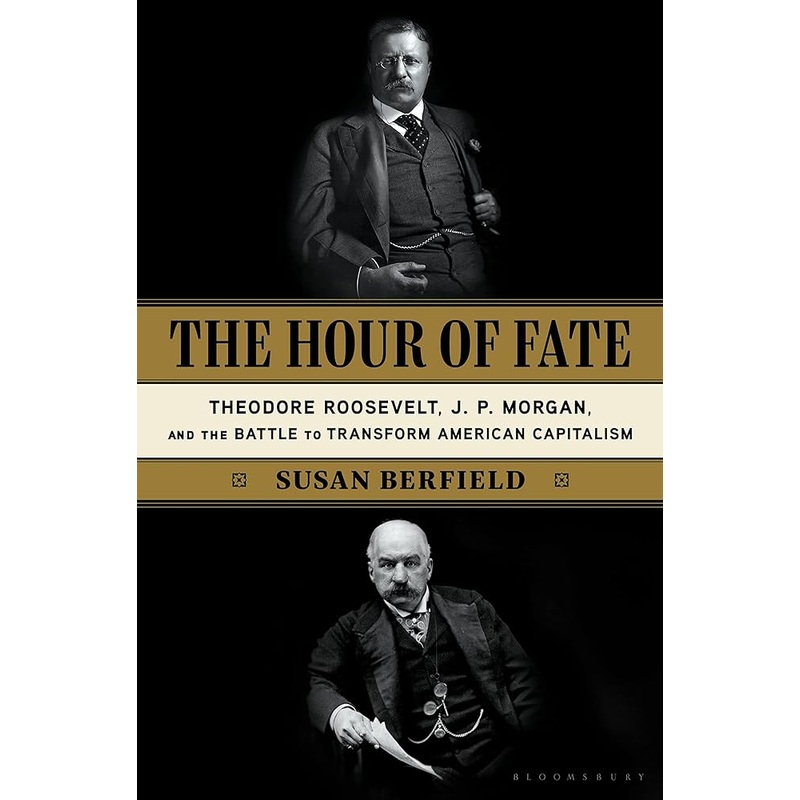
A riveting narrative of Wall Street buccaneering, political intrigue, and two of American historys most colossal characters, struggling for mastery in an era of social upheaval and rampant inequality.It seemed like no force in the world could slow J. P. Mo
A riveting narrative of Wall Street buccaneering, political intrigue, and two of American historys most colossal characters, struggling for mastery in an era of social upheaval and rampant inequality.
It seemed like no force in the world could slow J. P. Morgans drive to power. In the summer of 1901, the financier was assembling his next mega-deal: Northern Securities, an enterprise that would affirm his dominance in Americas most important industrythe railroads.
Then, a bullet from an anarchists gun put an end to the business-friendly presidency of William McKinley. A new chief executive bounded into office: Theodore Roosevelt. He was convinced that as big business got bigger, the government had to check the influence of the wealthiest or the country would inch ever closer to collapse. By March 1902, battle lines were drawn: the government sued Northern Securities for antitrust violations. But as the case ramped up, the coal miners union went on strike and the anthracite pits that fueled Morgans trains and heated the homes of Roosevelts citizens went silent. With millions of dollars on the line, winter bearing down, and revolution in the air, it was a crisis that neither man alone could solve.
Richly detailed and propulsively told, The Hour of Fate is the gripping story of a banker and a president thrown together in the crucible of national emergency even as they fought in court. The outcome of the strike and the case would change the course of our history. Today, as the country again asks whether saving democracy means taming capital, the lessons of Roosevelt and Morgans time are more urgent than ever.
Winner of the 2021 Theodore Roosevelt Association Book Prize
Finalist for the Presidential Leadership Book Award



Reviews
There are no reviews yet.